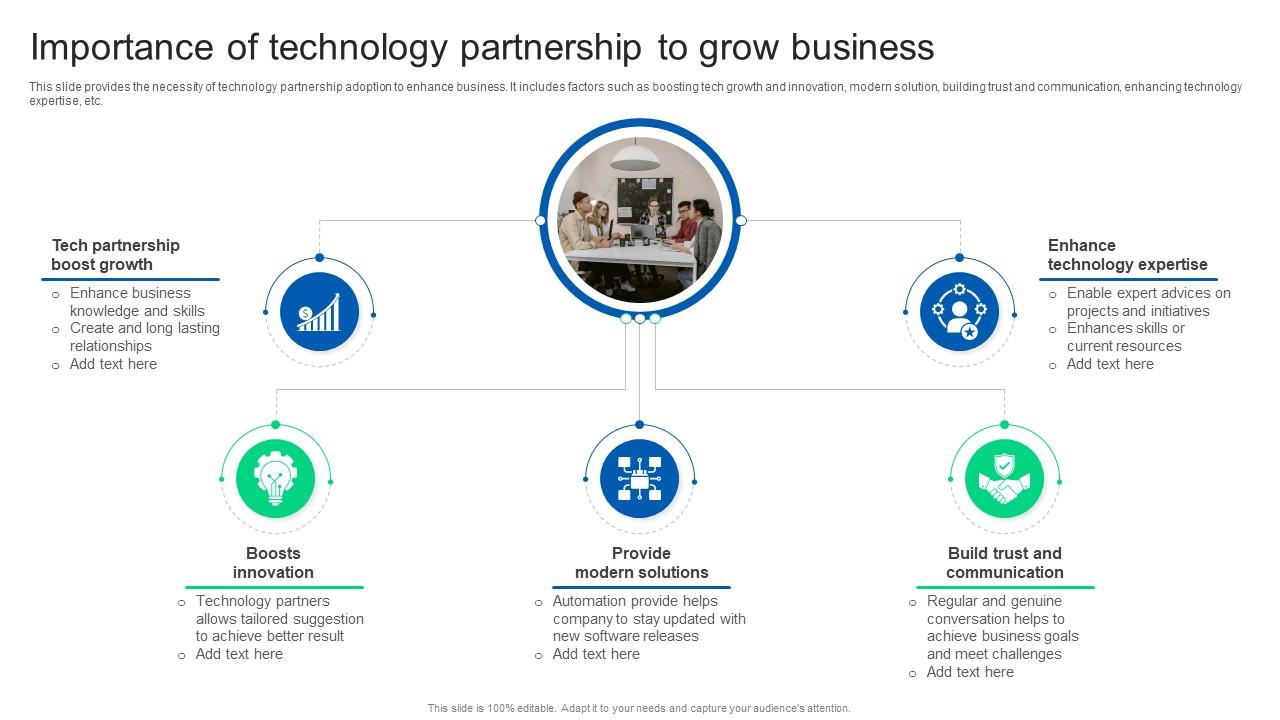
Choosing an IT services partner is no longer a purely technical decision. For most businesses, technology affects daily operations, customer experience, compliance, and the ability to scale. The right partner does more than “deliver a project”—they help reduce long-term cost, strengthen security, and support continuous improvement as the business evolves.
In this podcast, Daneen Al Majaz highlights a simple but important point: the quality of your IT partnership often determines the quality of your growth.
IT Is Not Just Support—It Is Infrastructure for Growth
When technology is treated as a short-term fix, businesses usually end up with fragmented systems, repeated manual work, and ongoing dependence on urgent troubleshooting. Over time, this creates hidden cost and slows progress.
A strong IT partner approaches technology as business infrastructure—systems and processes that should become more stable, more efficient, and more secure as the organization grows.
1) Reducing Cost Through Better Systems, Not Shortcuts
Cost reduction is often misunderstood as “lower development cost” or “cheaper tools.” In reality, the bigger expenses appear later—maintenance issues, rework, downtime, and manual coordination across teams.
The right IT partner helps reduce costs by:
- ● Designing systems that match business workflows, reducing manual effort
- ● Building a scalable architecture so growth does not require rebuilding
- ● Prioritizing maintainability to avoid long-term dependency and recurring fixes
- ● Standardizing processes so teams spend less time resolving inconsistencies
This creates savings that continue month after month—not just during implementation.
2) Improving Security Without Slowing the Business
Security today is not optional, especially when customer data, financial records, internal documents, and employee access are involved. Many businesses only focus on security after an incident, but the stronger approach is to make it part of the foundation.
A capable IT partner improves security by:
- ● Implementing role-based access and strong authentication
- ● Building audit trails and logging into key workflows
- ● Applying secure development practices and data protection controls
● Supporting secure cloud configurations, backups, and recovery planning
This reduces risk while keeping operations smooth—because security should protect growth, not block it.
3) Accelerating Digital Transformation With the Right Roadmap
Digital transformation fails when it is treated as a one-time technology upgrade. Businesses adopt new tools but do not redesign workflows, or they digitize a weak process instead of improving it.
The right IT partner approaches transformation with a practical roadmap:
- ● Understand business objectives and operational bottlenecks
- ● Identify what should be automated, integrated, or replaced
- ● Deliver in phases so value is seen early while risk stays controlled
● Ensure user adoption through clarity, training, and support
This turns digital transformation into a measured, results-driven process rather than a disruptive change.
4) Enabling Better Decisions Through Visibility and Reporting
One of the most overlooked benefits of good IT work is visibility. When systems are designed well, leadership can view real-time status, performance, and outcomes without chasing updates across teams.
A long-term IT partner strengthens decision-making by creating:
- ● Dashboards and live reporting for key metrics
- ● Centralized data rather than scattered spreadsheets and tools
- ● Consistent workflows and approvals that are easy to audit and track
- ● Integrations that reduce duplicate data and reporting errors
This directly improves management control and planning accuracy.
5) Supporting Businesses of All Sizes With Scalable Solutions
The needs of a startup and an established enterprise may differ, but both require reliability and scalability.
A strong IT partner supports this by offering:
- ● Solutions that can start simple and expand in modules over time
- ● Flexible infrastructure that scales with users, locations, and data
- ● Clear documentation and handover to reduce dependency
● Ongoing support to refine and improve the system as requirements change
This is particularly important for growing businesses where change is constant.
What Daneen Al Majaz Emphasizes in a True IT Partnership
The core message from the podcast is straightforward: businesses should look for an IT partner who understands outcomes, not only deliverables.
A long-term partner is defined by:
- ● The ability to understand the business, not just the requirements document
- ● Transparency on scope, cost, timelines, and what is realistically achievable
- ● Emphasis on security, stability, and scalability from day one
● Commitment to ongoing improvement after delivery
Growth Becomes Easier With the Right IT Partner
Technology is a long-term investment. When businesses choose the right IT partner, they see benefits that compound over time—reduced operational cost, stronger security, faster execution, and smoother digital transformation.
Daneen Al Majaz IT Services supports organizations with reliable software development, cloud solutions, and enterprise IT services designed to help businesses scale efficiently and securely—without creating complexity